Talent

NC01NjQ5LmpwZWc_sk6cpv.jpg

0.000

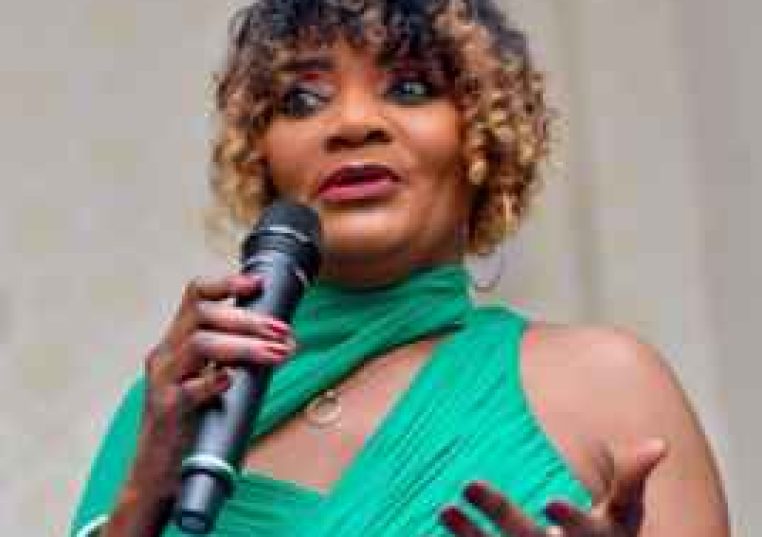
Monique Seka

Biography

Monique Séka (born November 22, 1965; nicknamed the queen of Afro-zouk music) is a singer from Ivory Coast. With the musical fusion that she generates, Monique Seka’s Afro-zouk music is popular across Ivory Coast, Africa, the Caribbean and the Indian Ocean. Séka developed an interest for music from childhood. She represents the third generation of a musical dynasty of Ivory Coast. Seka is the daughter of Seka Okoi an Ivorian singer famous in the 1970s. Seka was apprenticed by her father before joining the RTI Orchestra. That was the time she started to experiment mixing zouk and rhythms to create Afro Zouk, a combination that surprises and seduces music lovers at the same time. In the mid-1980s, Caribbean music invaded world markets. Seka blended into this trend and released her first album “Tantie Affoué” in 1985. In 1989, she signed the production of her music to Cape Verdian keyboardist Manu Lima and released her album “Missounwa”. This mixture of zouk and African rhythms travelled beyond the African borders, and asserted recognition in the press and media. At the end of 1992, she met Dominique Richard, a founding member of Radio Sun, the first Afro-Caribbean radio station launched in Lyon in July 1993. Dominique became her producer and impresario. They got married on March 31, 1995, and after releasing a few albums they had a daughter Carolyn Richard, born February 9, 1998. In 1994, she again calls on Manu Lima for the arrangements of her new album and returned to the country with the album “Okaman”. Subsequent albums of hers include “Adéba” in 1997, “Yélélé” in 1999 and many “best of” with new titles: “Anthology” in 1999, “15 years 15 success” in 2003, “Obligada” in 2005, etc. Her success has earned her the support of many artists from various musical backgrounds such as “Yaye Demin”, a hit song with Meiway

News / Ranking / Titbits / Awards

she established fame rapidly. She put Ivory Coast on the musical world map as a producer of outstanding (afro-)zouk. Other examples of that Ivorian specialty is the music of Antoinette Allany, Nayanka Bell, Awa Maiga, and Mathey. On her 1999 album, « Yélélé », Monique Seka chose for more musical diversity: apart from afro-zouk, there is a salsa version of her biggest hit, « Missounwa », there is one song in mandingo style, and another in Mapouka, a dance from the “Avikam” people in the coastal area, a dance currently used and abused in modern music in Abidjan. The Mapouka is criticised in the ivorian press as a too provocative dance, well, you have to see it.

Interested in this talent?

Get in touch with us to help you get started

Our Partner and Supporter

Together, we're building a legacy of inspiration and opportunity.